
Leading Heart Health
in Jordan and Beyond

How can we help you?

Dr. Hanna Makhamreh is the Director of Cardiology at Jordan University Hospital and a Professor of Cardiology at the University of Jordan. Board-certified as an American doctor, he brings world-class training and experience to the care of his patients. He graduated from the Jordan University of Science and Technology (JUST) and completed his residency and fellowship at Providence Hospital in the United States. His commitment to advancing cardiac medicine has positioned him as a leading figure in cardiology across Jordan and beyond.

20+

Years of International Experience in Cardiology

3,000+

Successful Procedures including stents and interventions

30+

Research Publications in international medical journals

When To Contact Us?

Chest pain and shortness of breath
These symptoms may signal serious heart problems such as blocked arteries or heart failure, and should never be ignored.
Palpitations and irregular heart beat
Feeling your heart race, skip beats, or beat unevenly could be a sign of arrhythmia that requires professional evaluation.
Regular Check-Ups for At-Risk Patients
If you have diabetes or a strong family history of heart disease, routine screenings help detect issues early and protect your heart health.
High Blood Pressure and Cholesterol
Together, these are leading risk factors for heart disease and stroke. Managing them effectively reduces strain on the heart and prevents artery blockages.

Conditions Treated

Coronary Stent Placement

A minimally invasive procedure to open blocked arteries and restore healthy blood flow to the heart.

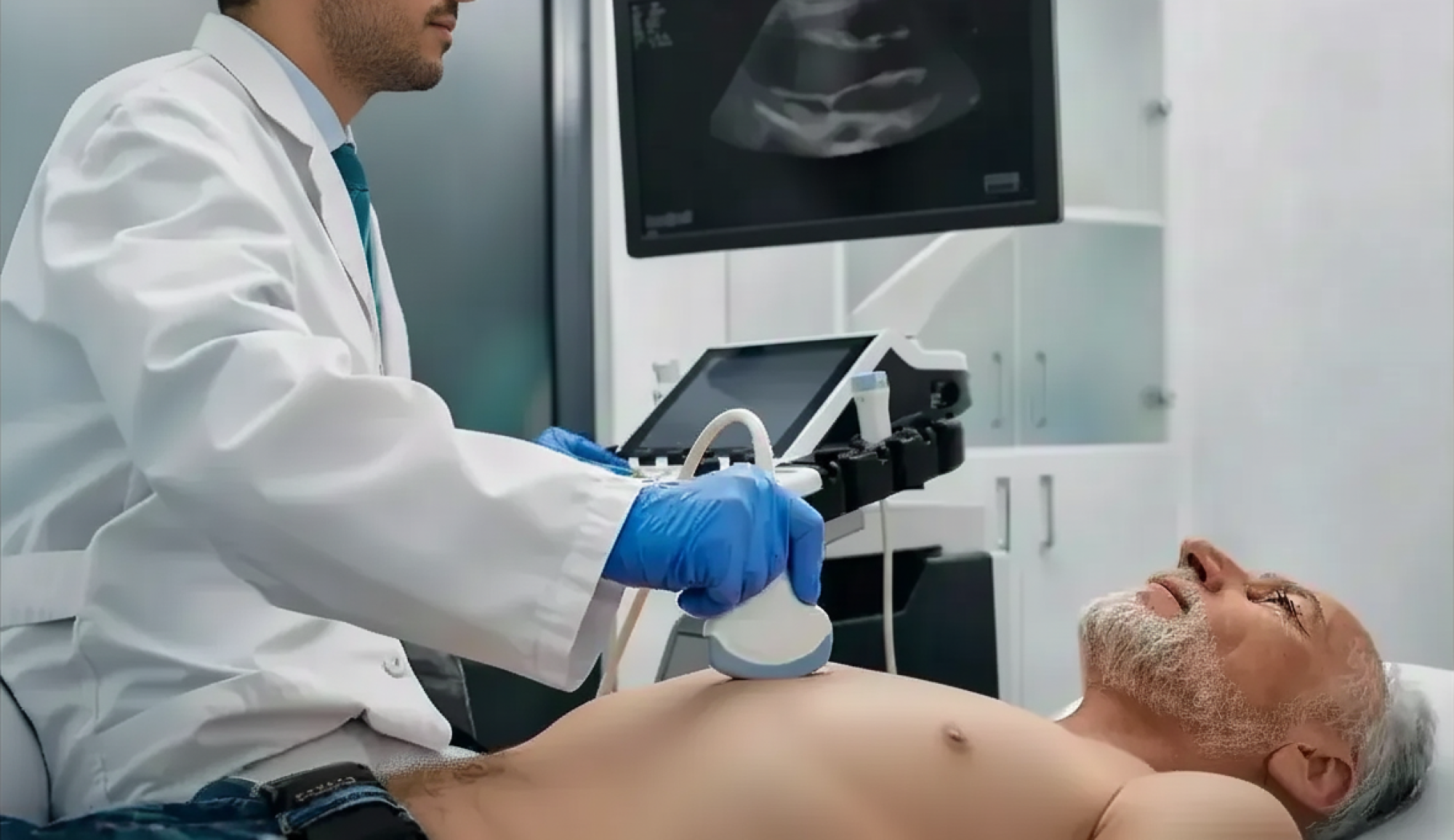
Heart Ultrasound

A non-invasive test that uses sound waves to create images of the heart and assess its function.
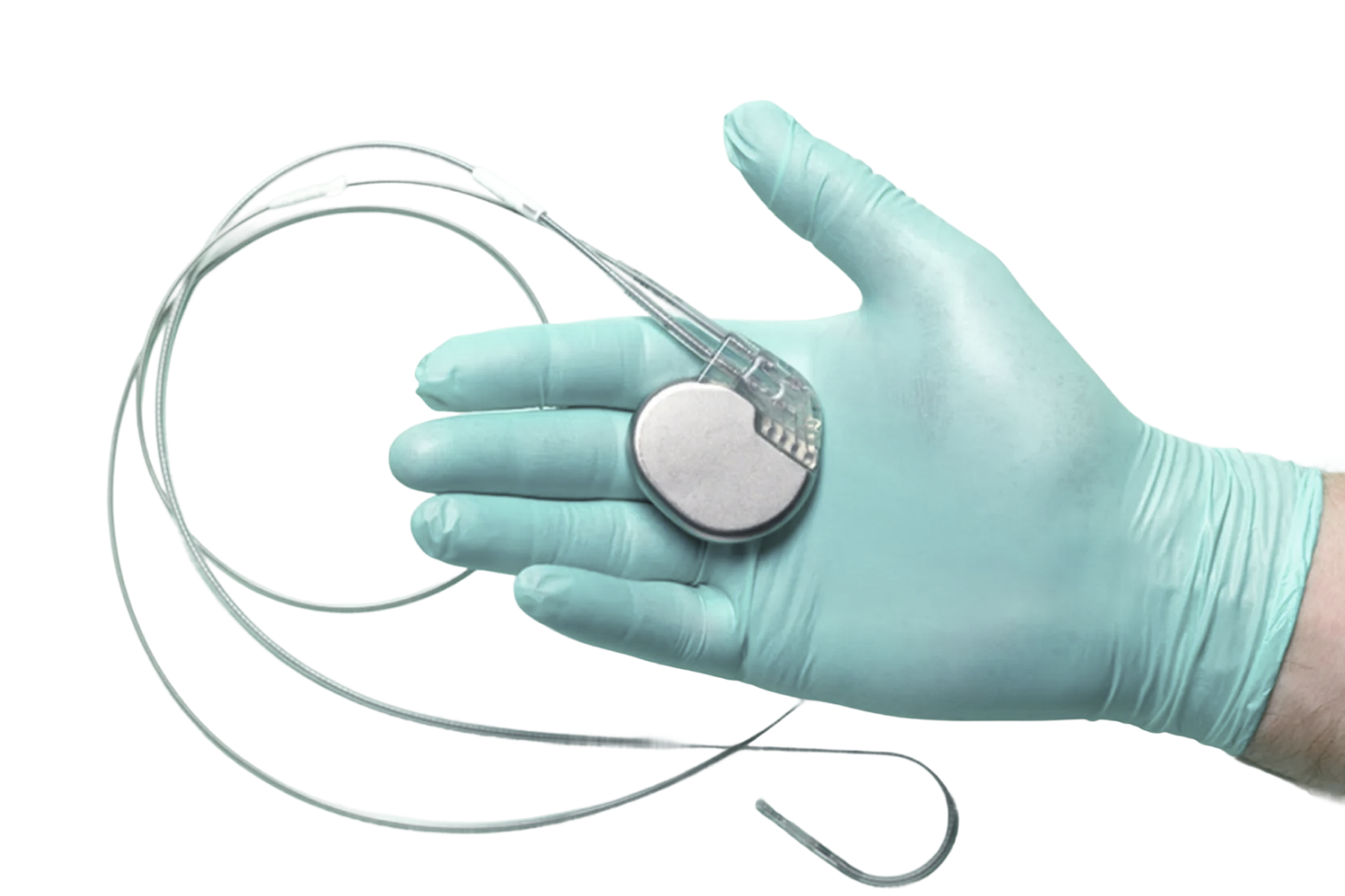
Pacemaker and Device Implantation

Advanced procedures to regulate abnormal heart rhythms and support proper heart function.
Heart Failure Management

Comprehensive care to improve heart function, relieve symptoms, and enhance quality of life.

Hypertension and Cholesterol Control

Personalized treatment plans to manage high blood pressure and cholesterol, reducing long-term risks of heart disease.

About the Doctor

Lorem ipsum, dolor sit amet consectetur adipisicing elit. Provident, sapiente iste ipsam animi minus beatae similique adipisci non velit ab alias illo itaque a. Tempore deleniti at minima fuga tenetur?

1997

Medical School at Jordan University of Science and Technology

Earned his medical degree, building a strong foundation in medicine and patient care.

2003

Internal Medicine Residency at Providence Hospital, USA

Completed rigorous residency training in internal medicine with hands-on clinical experience.

2006

Cardiology Fellowship at Providence Hospital, USA

Specialized in cardiology through advanced fellowship training, focusing on diagnosis and treatment of heart disease.

2023

Professor of Cardiology at The University of Jordan

Serves as a cardiologist and professor, training and mentoring the next generation of doctors and cardiologists.

2024

Director of Cardiology at Jordan University Hospital

Leads the cardiology department, overseeing patient care, advanced treatments, and clinical programs.

Schedule a consultation


To book an appointment with Dr. Hanna Makhamreh, choose the clinic location most convenient for you and contact us by phone during office hours. Dr. Makhamreh sees patients at two locations in Amman, Jordan.

Saudi Hospital Clinic

Office Location

Mansour Ben Omeir St.
Amman, Jordan

View on Map

Phone Number

+962 79985120

Office Hours

Saturday

9:00 A.M - 5:00 P.M

Jordan University Hospital Clinic

Office Location

Queen Rania St.
Amman, Jordan

View on Map

Phone Number

+962 79985120

Office Hours

Sunday-Thursday

9:00 A.M- 4:00 P.M

Frequently Asked Questions

When should I see a cardiologist?

You should see a cardiologist if you have risk factors such as diabetes, family history of heart disease, high blood pressure, high cholesterol, or symptoms like chest pain, palpitations, or shortness of breath.

What symptoms should I never ignore?

Chest pain, sudden shortness of breath, dizziness, fainting, or irregular heartbeats should never be ignored, as they may signal serious heart conditions.

How do I prepare for my first appointment?

Bring a list of your medications, medical history, recent test results if available, and note any symptoms you have experienced. This helps the doctor make an accurate assessment.

Are stent procedures safe?

Yes, coronary stent procedures are safe, minimally invasive, and highly effective in restoring blood flow. They are among the most common treatments for blocked arteries worldwide.

Can heart disease be prevented?

Many heart problems can be prevented with a healthy lifestyle, controlling blood pressure and cholesterol, not smoking, regular exercise, and routine check-ups with a cardiologist.

Does high blood pressure or cholesterol always require medication?

Not always. In early stages, lifestyle changes like diet and exercise may be enough. However, if levels remain high, medication may be prescribed to reduce long-term risks.

What is the difference between a cardiologist and an interventional cardiologist?

A cardiologist diagnoses and treats heart conditions with tests and medications, while an interventional cardiologist performs advanced procedures such as angioplasty and stent placement to open blocked arteries.

Explore Health News